
Understanding Hydro Gel and Its Applications
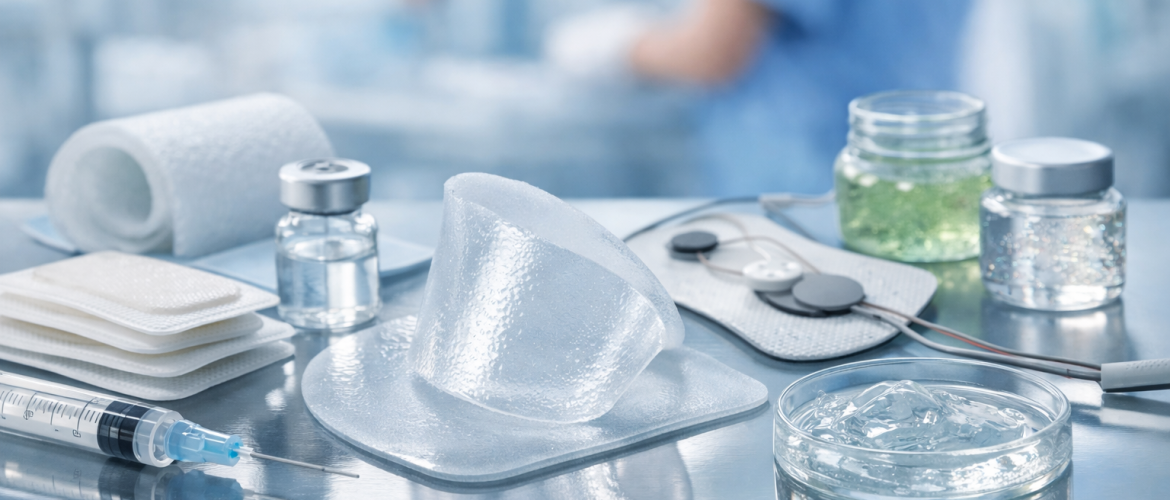
Hydro gel is a water-based, polymer network that retains moisture while maintaining structural integrity. Its unique composition allows it to provide hydration, flexibility, and adhesion, making it ideal for medical use. Common applications include wound dressings, transdermal patches, cosmetic treatments, and biosensor interfaces.
In clinical settings, hydro gel is especially valued for its ability to maintain a moist environment that promotes healing. It also conforms easily to different parts of the body, ensuring better contact and comfort. With growing demand, companies like R & D Medical Products continue to push innovation in hydro gel technologies, focusing on both performance and patient-centered design.
The Importance of Material Quality
At the core of any hydro gel product is its formulation. High-quality hydro gel is made using carefully selected polymers and ingredients that ensure consistency, safety, and effectiveness. Poor-quality materials, on the other hand, can lead to issues such as skin irritation, weak adhesion, or reduced therapeutic benefits.
Premium hydro gel formulations are designed to be biocompatible, meaning they interact safely with human tissue. This is especially important in medical applications where prolonged contact with the skin is required. Additionally, quality materials help maintain hydration levels over time, preventing the gel from drying out or degrading too quickly.
Adhesion and Performance Reliability
One of the defining features of hydro gel is its adhesive capability. In applications such as wearable devices or wound dressings, reliable adhesion is critical. A high-quality hydro gel will stick securely to the skin without causing discomfort or leaving residue upon removal.
Low-quality alternatives may fail to adhere properly, leading to device malfunction or compromised treatment. For example, in drug delivery systems, inconsistent adhesion can disrupt dosage accuracy. This is why manufacturers prioritize testing and refinement to ensure that hydro gel performs consistently under various conditions.
Patient Comfort and Skin Safety
Comfort is a major factor in the success of any medical product. Hydro gel is often chosen for its soft, cooling sensation, which can help soothe irritated or damaged skin. High-quality hydro gel enhances this benefit by maintaining a smooth texture and even distribution.
Skin safety is equally important. Inferior products may contain impurities or unstable compounds that increase the risk of allergic reactions. In contrast, well-developed hydro gel undergoes rigorous testing to ensure it meets safety standards and is suitable for sensitive skin.
This focus on comfort and safety not only improves the patient experience but also encourages compliance with treatment plans. When patients feel comfortable using a product, they are more likely to follow through with recommended care.
Durability and Shelf Stability
Another critical aspect of quality is durability. Hydro gel products must maintain their properties during storage and use. High-quality formulations are designed to resist degradation caused by temperature changes, humidity, or prolonged storage.
Shelf stability is particularly important for healthcare providers and distributors. Products that degrade quickly can lead to waste and increased costs. By investing in quality hydro gel, organizations can ensure longer shelf life and more reliable performance when the product is needed.
Role in Advanced Medical Technologies
Hydro gel is increasingly being used in advanced medical technologies such as wearable health monitors and smart patches. These applications require precise engineering and consistent material behavior. High-quality hydro gel ensures accurate sensor readings and stable device performance.
As innovation continues, the role of hydro gel will expand further. Researchers and manufacturers are exploring new ways to integrate hydro gel with electronic components, drug delivery systems, and regenerative medicine. In all these areas, quality remains a foundational requirement.
Manufacturing Standards and Quality Control
Producing high-quality hydro gel involves strict manufacturing standards and quality control processes. Reputable manufacturers invest in advanced equipment, cleanroom environments, and thorough testing protocols.
Quality control includes evaluating factors such as viscosity, adhesion strength, moisture retention, and biocompatibility. Each batch must meet specific criteria to ensure consistency and reliability. Companies like R & D Medical Products emphasize these standards to deliver products that healthcare professionals can trust.
Economic and Clinical Impact
While high-quality hydro gel may come at a higher initial cost, it often leads to better long-term outcomes. Reliable performance reduces the need for replacements, minimizes complications, and improves treatment efficiency.
From a clinical perspective, using superior hydro gel can enhance healing rates and reduce the risk of infection. This not only benefits patients but also lowers overall healthcare costs. In this way, quality becomes an investment rather than an expense.
Choosing the Right Hydro Gel
Selecting the right hydro gel product involves evaluating several factors, including intended use, skin compatibility, and performance requirements. Healthcare providers and consumers should look for products that have been tested and validated by reputable manufacturers.
Reading product specifications, certifications, and user reviews can also provide valuable insights. When in doubt, consulting with medical professionals can help ensure the best choice for specific needs.
For more information and insights into innovative materials and business developments, visit https://www.americus-sumterchamber.com/. Staying informed can help you make better decisions when it comes to adopting new technologies like hydro gel.
The Future of Hydro Gel Innovation
The future of hydro gel is promising, with ongoing research focused on enhancing its properties and expanding its applications. Innovations in nanotechnology, bioengineering, and material science are expected to drive the next generation of hydro gel products.
As these advancements unfold, the importance of quality will only increase. High standards will be essential to ensure that new technologies deliver on their potential while maintaining safety and reliability.
Final Thoughts
Hydro gel is a powerful and versatile material that is transforming modern healthcare. Its ability to provide hydration, adhesion, and comfort makes it an invaluable component in many medical applications. However, the benefits of hydro gel are only fully realized when quality is prioritized.
From material selection to manufacturing processes, every aspect of production plays a role in determining the final product’s effectiveness. By choosing high-quality hydro gel, healthcare providers and consumers can achieve better outcomes, improved safety, and greater overall satisfaction.
As the industry continues to evolve, one thing remains clear: quality is not optional. It is the foundation upon which innovation and success are built.
FAQs
What is hydro gel used for?
Hydro gel is commonly used for wound care, transdermal drug delivery, cosmetic treatments, and wearable medical devices due to its moisture-retaining and adhesive properties.
Why is quality important in hydro gel?
Quality ensures safety, effectiveness, durability, and comfort. High-quality hydro gel performs consistently and reduces the risk of complications.
Is hydro gel safe for sensitive skin?
Yes, high-quality hydro gel is designed to be biocompatible and suitable for sensitive skin, but it is important to choose products from reputable manufacturers.
How long does hydro gel last?
Shelf life varies by product, but quality hydro gel is designed for stability and durability, maintaining its properties over time.
Can hydro gel be used in wearable technology?
Yes, hydro gel is widely used in wearable devices for its flexibility, adhesion, and compatibility with sensors.