

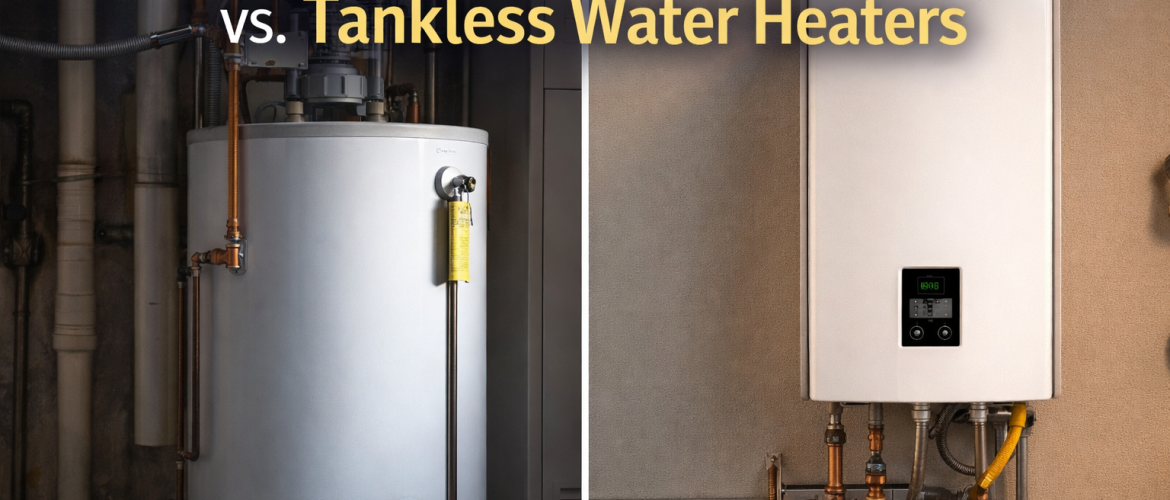
Choosing the right water heater is an important decision for homeowners, especially in warm climate regions where water usage is frequent and energy efficiency matters year round. Whether you are upgrading an aging system or planning a new installation, understanding the differences between tank and tankless water heaters can help you make a smarter long term choice. For homeowners considering water heater installation Miami, climate, household size, and usage patterns all play a major role.
Below is a clear comparison of tank and tankless water heaters, outlining the advantages and drawbacks of each so you can decide what best fits your home and budget.
How Tank Water Heaters Work
Tank water heaters store a fixed amount of hot water, typically between 40 and 80 gallons. The system continuously heats the stored water and keeps it ready for use.
When hot water is used, the tank refills and reheats, which can take time depending on capacity and demand. Tank systems are the most common type found in residential homes due to their lower upfront cost and simple design.
Pros of Tank Water Heaters
One major benefit of tank water heaters is affordability. The initial purchase and installation cost is generally lower compared to tankless systems, making them attractive for budget conscious homeowners.
Tank systems are also straightforward to install and repair. Most plumbers are familiar with them, replacement parts are widely available, and maintenance is relatively simple.
Another advantage is consistent water pressure. Tank heaters supply hot water at the same pressure as cold water, which works well for homes running multiple fixtures at once.
Cons of Tank Water Heaters
The biggest drawback is limited hot water supply. Once the tank is empty, users must wait for it to refill and reheat. This can be frustrating for larger households or homes with high simultaneous usage.
Tank water heaters are also less energy efficient. Because water is heated continuously, energy is wasted maintaining temperature even when hot water is not in use.
Additionally, tanks take up more space and typically have a shorter lifespan, averaging eight to twelve years.
How Tankless Water Heaters Work
Tankless water heaters, also known as on demand systems, heat water only when it is needed. Instead of storing hot water, they use powerful heating elements to warm water as it flows through the unit.
These systems are compact and often wall mounted, making them popular in modern homes and space constrained environments.
Pros of Tankless Water Heaters
Energy efficiency is one of the biggest advantages of tankless systems. Since water is heated only when needed, there is no standby energy loss, which can result in lower utility bills over time.
Tankless water heaters provide continuous hot water. This makes them ideal for families that use multiple showers or appliances at the same time without running out of hot water.
They also have a longer lifespan, often lasting fifteen to twenty years when properly maintained. Their compact size frees up valuable storage space, which is appealing in many Miami homes.
Cons of Tankless Water Heaters
The primary downside is higher upfront cost. Tankless units are more expensive to purchase and install, especially if electrical or gas system upgrades are required.
Flow rate limitations can also be an issue. While hot water is continuous, running too many fixtures at once may reduce temperature if the system is undersized.
Maintenance can be more specialized, requiring annual descaling in areas with hard water to prevent mineral buildup.
Which Option Is Better for Miami Homes
Miami’s climate and lifestyle influence water heater performance and efficiency. Warm groundwater temperatures can improve tankless heater efficiency, making them a strong option for energy conscious homeowners.
Homes with frequent showers, guests, or multi bathroom usage often benefit from tankless systems. Smaller households or rental properties may find traditional tank heaters more cost effective and sufficient.
Professional evaluation is critical. A licensed plumber experienced in water heater installation Miami can assess household demand, available power or gas supply, and installation requirements to recommend the best system.
Installation and Long Term Costs
While tank water heaters are cheaper upfront, they may cost more over time due to higher energy usage and shorter lifespan. Tankless systems require a higher initial investment but often deliver savings through efficiency and durability.
Installation quality matters for both systems. Improper sizing or setup can reduce performance, increase energy costs, and shorten equipment life. Choosing the right system is only half the equation. Proper installation ensures long term reliability.
Frequently Asked Questions
Which water heater is more energy efficient?
Tankless water heaters are generally more energy efficient because they heat water only when needed and do not store hot water.
Is a tankless water heater worth the higher cost?
For many households, yes. Long term energy savings, longer lifespan, and unlimited hot water often justify the higher upfront investment.
Can a tankless water heater supply hot water to the whole house?
Yes, if properly sized. Larger homes may require a high capacity unit or multiple systems to handle simultaneous usage.
How long does water heater installation take?
Tank replacements often take a few hours. Tankless installations may take longer, especially if upgrades to gas or electrical systems are needed.
Do tankless water heaters require more maintenance?
Yes, they typically require annual maintenance to prevent mineral buildup, especially in areas with hard water.
Conclusion
Both tank and tankless water heaters offer clear benefits and limitations. The right choice depends on household size, hot water usage, budget, and long term efficiency goals. For homeowners planning water heater installation Miami, working with an experienced professional ensures the system is properly selected and installed for optimal performance. With the right guidance, you can enjoy reliable hot water while maximizing comfort, efficiency, and value.
