

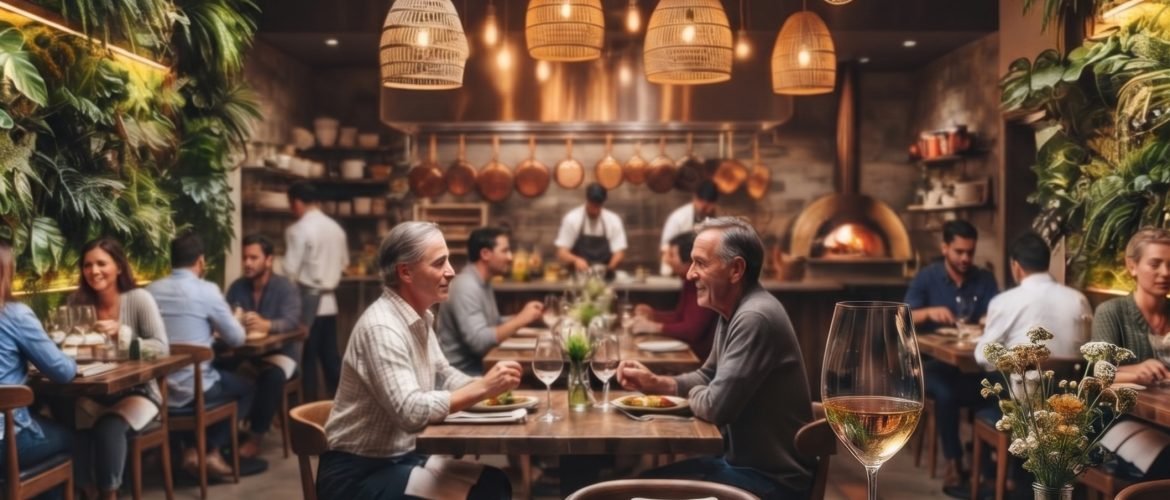
The restaurant industry is evolving as customers become more conscious of what they eat, where their food comes from, and how businesses affect the environment. While flavor, convenience, and service remain important, many diners are now considering additional factors when choosing where to eat. Ingredient sourcing, food waste, packaging, energy consumption, and support for local producers are becoming part of the dining conversation.
This shift is encouraging restaurants to rethink traditional operating practices. From neighborhood cafes that prioritize fresh ingredients to larger establishments introducing plant-based menus and waste reduction programs, businesses are finding new ways to make dining more responsible without compromising the customer experience.
Eco-friendly restaurants are not simply following a temporary trend. They are helping shape expectations about how food businesses can operate, serve their communities, and contribute to a more sustainable future. As these practices become more visible, they may influence everything from restaurant menus and supply chains to customer habits and industry standards.
What Makes a Restaurant Eco-Friendly?
An eco-friendly restaurant considers the environmental impact of its daily operations and looks for practical ways to reduce unnecessary resource consumption. This can involve decisions about ingredients, packaging, equipment, food preparation, and waste management.
There is no single approach that defines a sustainable restaurant. Some businesses focus on local sourcing, while others emphasize composting, recycling, energy efficiency, or plant-based cooking. Many combine several practices to create a more comprehensive strategy.
Responsible Ingredient Sourcing
The journey from farm to restaurant involves transportation, storage, processing, and distribution. Choosing suppliers carefully can help restaurants support more responsible food systems.
Some establishments work with local farms, regional producers, and smaller suppliers. This can strengthen relationships with nearby businesses and give chefs access to seasonal ingredients. It may also reduce transportation distances, although the overall environmental impact depends on production methods, storage, and distribution.
Seasonal menus are another way to make sourcing decisions more thoughtful. Instead of depending on the same ingredients throughout the year, restaurants can adjust their offerings according to availability.
Reducing Food Waste
Food waste is one of the most important challenges facing the restaurant industry. Ingredients may be discarded because of overordering, improper storage, oversized portions, or unsold prepared meals.
Restaurants can address this issue by monitoring inventory, planning menus more carefully, using ingredients across multiple dishes, and adjusting portion sizes. Some businesses also participate in food donation programs that help redirect suitable surplus food to community organizations.
These practices can provide environmental and operational benefits. Reducing unnecessary waste may lower purchasing costs while making better use of the resources already invested in food preparation.
Environmentally Conscious Packaging
Takeout and delivery have become important parts of modern restaurant operations. However, disposable containers, plastic utensils, cups, and bags can create significant waste.
Eco-conscious restaurants may explore reusable packaging, recyclable materials, or certified compostable alternatives. Some also encourage customers to bring reusable coffee cups or containers where permitted.
It is important to remember that packaging labeled compostable does not automatically break down in every environment. The availability of appropriate commercial composting facilities and local disposal rules matters.
Energy and Water Efficiency
Restaurants use substantial amounts of energy and water for refrigeration, cooking, cleaning, lighting, and ventilation. Improving efficiency can reduce operating expenses while limiting environmental impact.
Practical measures include installing energy-efficient appliances, maintaining refrigeration equipment, using LED lighting, fixing leaks, and choosing water-efficient fixtures.
These improvements may not be immediately visible to customers, but they can make a meaningful difference to the way a restaurant operates over time.
How Eco-Friendly Restaurants Are Changing Customer Expectations
As environmental awareness grows, diners are beginning to look at restaurants differently. A good meal is still essential, but some customers also want to understand the values and practices behind the businesses they support.
This change is encouraging restaurants to become more transparent about their ingredients, suppliers, and environmental initiatives.
Greater Interest in Ingredient Transparency
Customers increasingly want to know what is in their food. Questions about allergens, dietary preferences, sourcing, and preparation methods are now common considerations when choosing a restaurant.
Businesses that provide clear menu descriptions and communicate their sourcing practices can make customers feel more informed. Transparency also helps restaurants build trust by explaining what they actually do rather than relying on broad sustainability claims.
More Demand for Plant-Based Choices
Plant-based dining has become an important part of the restaurant industry’s evolution. More customers are exploring vegetarian and vegan meals, whether for environmental reasons, personal preferences, or simply to try different flavors.
Restaurants are responding with vegetable-forward dishes, meat-free alternatives, dairy-free beverages, and creative plant-based entrees.
These options also make dining more inclusive. Groups with different dietary preferences can find restaurants that accommodate more people without requiring everyone to order from a completely separate menu.
Support for Businesses With Responsible Practices
For some customers, choosing a restaurant is also a way to support businesses that share their values. This does not mean every diner evaluates every environmental detail before ordering lunch, but visible efforts can influence where people choose to spend their money.
Restaurants that communicate their initiatives clearly may develop stronger relationships with customers who appreciate their approach.
Examples of Eco-Friendly Dining in Chicago
Chicago offers a diverse restaurant scene where fresh ingredients, plant-based cooking, and environmental awareness can be found in different neighborhoods. From casual cafes to full-service restaurants, these businesses illustrate several approaches to modern dining.
1. Prasino: Mediterranean Inspiration and a Focus on Fresh Food
Mediterranean-inspired cuisine is often associated with fresh vegetables, grains, herbs, fruits, and a variety of protein options. These ingredients provide plenty of opportunities for balanced meals and flavorful combinations.
Prasino is an interesting example of a restaurant concept connected with this style of dining. Its name comes from the Greek word for green, reflecting an identity associated with sustainability and more thoughtful food choices.
Its approach fits into a broader movement toward menus that offer variety and flexibility. Breakfast bowls, salads, sandwiches, wraps, grain-based dishes, and beverages can appeal to customers with different schedules and preferences.
For people exploring Chicago’s restaurant scene, businesses such as Prasino offer an example of how food concepts can bring together Mediterranean influences, fresh menu ideas, and an interest in responsible dining. Rather than focusing on one particular dietary category, this kind of approach can make a restaurant accessible to a wider range of customers.
The growing interest in these concepts reflects a larger change in the industry: diners are looking for enjoyable meals while paying more attention to the philosophy and practices behind the places they visit.
2. Brightwok Kitchen: Customizable Meals and Packaging Awareness
Brightwok Kitchen brings Asian-inspired flavors into a fast-casual dining format. Its customizable bowls and salads allow customers to combine different ingredients according to their preferences.
This type of menu is convenient for people who want a quick meal without giving up control over their food choices. Vegetables, grains, sauces, and proteins can be combined in different ways, making it easier to accommodate a range of preferences.
The restaurant has also attracted attention for its approach to packaging and waste reduction. These considerations are especially relevant for fast-casual establishments, where takeout orders can account for a substantial portion of daily business.
Brightwok illustrates how restaurants can consider sustainability beyond the ingredients on the plate. The containers used, the way orders are prepared, and the handling of waste are also part of the overall customer experience.
3. PLANTA Chicago: Expanding the Possibilities of Plant-Based Dining
Plant-based restaurants are helping change the perception that vegetarian and vegan food is necessarily limited or repetitive.
PLANTA Chicago offers an entirely plant-based menu with creative dishes inspired by different cuisines. Its offerings include interpretations of sushi, dumplings, noodles, and other familiar favorites.
This approach makes plant-based dining appealing to a broader audience. Customers do not need to follow a vegan lifestyle to enjoy a meal prepared without animal products.
Restaurants with creative menus can also encourage diners to experiment with ingredients they may not regularly use at home. This can make plant-based choices feel like an exciting culinary experience rather than a compromise.
4. Handlebar: A Neighborhood Approach to Vegetarian and Vegan Food
Handlebar in Wicker Park is known for its vegetarian and vegan-friendly approach to comfort food. Its menu demonstrates how familiar dishes can be adapted using plant-based ingredients.
The restaurant offers a casual atmosphere that makes it suitable for informal meals and social gatherings. It is also an example of how neighborhood establishments can contribute to a more varied dining culture.
Environmental responsibility can extend beyond the menu. Food waste, packaging, recycling, and composting are all areas where restaurants can make operational improvements.
For diners interested in meat-free meals and independent neighborhood businesses, Handlebar is one option worth exploring.
5. Necessary & Sufficient Coffee: Rethinking the Coffee Shop Experience
Coffee shops have their own sustainability challenges. Disposable cups, lids, packaging, coffee sourcing, and energy consumption can all influence their environmental footprint.
Necessary & Sufficient Coffee has emphasized sustainability as part of its business philosophy, including an interest in reducing waste and using more responsible materials.
This reflects a growing movement within the coffee industry. Customers may consider not only the quality and origin of the coffee but also how the business handles its everyday operations.
Reusable cups, thoughtful purchasing, and better waste management can help make a coffee shop experience more responsible without changing the simple pleasure of enjoying a favorite drink.
The Business Benefits of Sustainable Restaurant Practices
Environmental responsibility is not only a matter of customer expectations. It can also influence how restaurants manage expenses, develop their brands, and build long-term relationships.
Although some sustainability improvements require an initial investment, they may create operational advantages over time.
Lower Operating Costs
Reducing food waste, improving energy efficiency, and monitoring water consumption can help restaurants control expenses.
For example, better inventory planning may reduce the amount of unused produce and other ingredients. Energy-efficient refrigeration and cooking equipment may also lower utility consumption.
The financial results depend on the restaurant’s size, equipment, and operating model, but even small improvements can become valuable when applied consistently.
Stronger Brand Identity
A restaurant’s environmental practices can become part of its identity. Businesses that communicate their values clearly may stand out in a competitive market.
However, credibility matters. Customers are more likely to trust specific, measurable actions than vague statements about being green.
Explaining how ingredients are sourced, how waste is handled, or what packaging alternatives are used can help make a sustainability message more meaningful.
Stronger Community Relationships
Restaurants are closely connected to the communities in which they operate. Working with local suppliers, supporting food donation programs, and participating in neighborhood initiatives can strengthen these relationships.
These activities can also help create a more resilient local food network by connecting restaurants with nearby producers and organizations.
Greater Adaptability
The restaurant industry changes constantly. Businesses that monitor customer preferences and review their operating practices may be better prepared to respond to new expectations.
Sustainability can encourage restaurants to examine how they purchase ingredients, design menus, manage waste, and communicate with customers. This process may lead to improvements that benefit the business beyond environmental performance alone.
Challenges Restaurants Face When Going Green
Although sustainable practices offer potential benefits, implementing them is not always straightforward. Restaurants operate under tight budgets, demanding schedules, food safety requirements, and changing customer expectations.
Understanding these challenges helps explain why progress can look different from one establishment to another.
Higher Initial Investment
Some improvements require new equipment, updated facilities, or changes to existing procedures. Energy-efficient appliances, commercial composting arrangements, and reusable packaging systems may involve upfront costs.
Smaller restaurants may have limited resources to make these changes quickly. A gradual approach, starting with practical improvements that produce measurable benefits, can be more manageable.
Finding Reliable Suppliers
Local and responsible sourcing requires dependable suppliers who can meet a restaurant’s needs consistently. Availability, pricing, delivery schedules, and seasonal changes can complicate purchasing decisions.
Restaurants may need to work with several suppliers or adjust their menus when certain ingredients are unavailable.
Managing Customer Expectations
Customers want sustainability, but they also expect reasonable prices, convenient service, and consistent quality.
Restaurants must balance environmental goals with these practical expectations. For example, a reusable packaging system may require a return process that some customers find inconvenient. A seasonal menu may change more frequently than guests expect.
Clear communication can help customers understand why certain decisions are being made.
Avoiding Greenwashing
Greenwashing occurs when a business exaggerates or misrepresents its environmental efforts. This can damage customer trust and make it harder to distinguish meaningful initiatives from marketing language.
Restaurants can avoid this problem by being specific about their practices, acknowledging limitations, and avoiding claims they cannot support.
How Diners Can Encourage More Sustainable Restaurants
Restaurants play an important role in shaping the future of dining, but customers also influence the direction of the industry.
Everyday purchasing decisions can encourage businesses to maintain responsible practices and explore new improvements.
Choose restaurants with transparent practices. Look for businesses that provide clear information about ingredients, sourcing, packaging, and waste reduction.
Explore plant-based meals. Trying vegetarian or vegan dishes occasionally can introduce new ingredients and expand your dining choices.
Reduce disposable waste. Bring a reusable coffee cup or water bottle when practical, and check whether restaurants accept personal containers.
Order thoughtfully. Consider portion sizes and avoid ordering more food than you are likely to eat. Take leftovers home when appropriate.
Support local businesses. Restaurants that work with regional suppliers can help strengthen local food networks and support nearby producers.
Ask questions respectfully. If you are curious about a restaurant’s sustainability practices, ask staff about sourcing, packaging, or food waste initiatives. Customer interest can encourage businesses to communicate more clearly.
What the Future of Eco-Friendly Dining May Look Like
The future of sustainable restaurants will likely involve a combination of better technology, changing customer habits, and improvements throughout the food supply chain.
Smarter Food Inventory Management
Digital inventory systems can help restaurants track ingredients, monitor purchasing patterns, and identify items that are frequently wasted.
Better forecasting may allow businesses to order more accurately and prepare quantities that reflect actual customer demand.
More Creative Plant-Based Menus
As chefs experiment with new ingredients and cooking methods, plant-based menus may become even more varied. Vegetables, legumes, grains, mushrooms, and alternative proteins can be used in increasingly creative ways.
This may encourage more diners to explore plant-based dishes without feeling that they are giving up flavor or variety.
Better Packaging Solutions
Restaurants and packaging manufacturers continue to explore alternatives to conventional disposable materials. Reusable container systems, improved recycling options, and packaging designed for specific composting facilities may become more common.
The success of these solutions will depend on cost, convenience, food safety, and the availability of appropriate waste infrastructure.
More Transparency Throughout the Food Supply Chain
Customers may increasingly expect restaurants to explain where ingredients come from and how products are produced.
Digital menus and online information can make it easier for businesses to share details about suppliers, allergens, seasonal ingredients, and environmental initiatives.
Greater transparency can also encourage restaurants to establish clearer standards for purchasing and operations.
FAQs About Eco-Friendly Restaurants
What makes a restaurant environmentally friendly?
An environmentally friendly restaurant takes steps to reduce its impact through practices such as responsible sourcing, food waste reduction, recycling, composting, energy efficiency, and more sustainable packaging. The specific measures vary between businesses.
Are eco-friendly restaurants more expensive?
Not necessarily. Some restaurants may charge more for certain ingredients or sustainable packaging, but pricing depends on the menu, location, operating costs, and business model. Sustainable practices such as reducing food waste can also help control expenses.
Why are plant-based menus important to sustainable dining?
Plant-based menus provide alternatives to meals centered on animal products. They can help diners explore different ingredients and make dietary choices that align with their environmental priorities. The overall impact still depends on sourcing, production, transportation, and other factors.
How can restaurants reduce food waste?
Restaurants can improve inventory management, plan menus carefully, use ingredients across multiple dishes, adjust portion sizes, train employees, and donate suitable surplus food where permitted.
What is sustainable restaurant packaging?
Sustainable packaging may include reusable containers, recyclable materials, or certified compostable alternatives. The best option depends on local waste management facilities and whether the material can actually be processed after use.
Can small restaurants adopt eco-friendly practices?
Yes. Small restaurants can begin with manageable improvements such as better inventory planning, reducing disposable items, purchasing seasonal ingredients, improving energy efficiency, and separating recyclable materials.
Conclusion
Eco-friendly restaurants are helping reshape the future of dining by showing that good food and environmental responsibility can work together. Through fresh ingredients, thoughtful sourcing, plant-based menus, waste reduction, and more efficient operations, these businesses are encouraging customers to consider more than what appears on their plates.
The movement also creates opportunities for restaurants to strengthen their brands, support local suppliers, manage costs, and build stronger relationships with their communities. Although challenges such as investment, sourcing, and packaging remain, gradual improvements can make sustainability more achievable across the industry.
Ultimately, the future of dining will be influenced by both restaurant owners and the people who choose where to eat. As customers become more interested in transparency and responsible practices, businesses that take meaningful steps toward sustainability will have an opportunity to help define what the next generation of restaurants looks like.
