

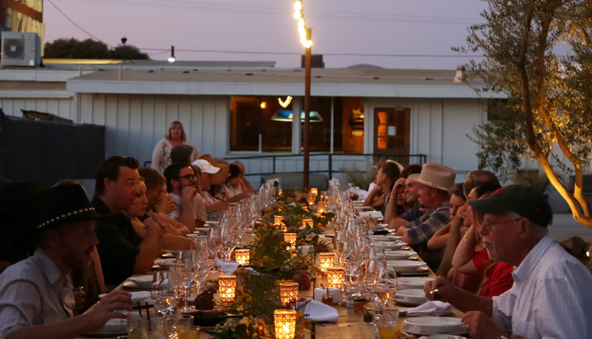
Few wedding decisions come earlier, or matter more, than choosing the venue. The space determines the visual atmosphere, sets the guest capacity ceiling, and shapes the logistics of every vendor involved. For couples who have already looked at conventional venues and found them either too generic, too expensive, or unavailable on their chosen date, Peerspace wedding venues offer a searchable, bookable alternative – one that puts distinctive, privately owned spaces within reach without the overhead – or endless negotiations – of traditional venue.
Peerspace isn’t just for weddings, but it’s a great place to find one. Alongside spaces for meetings, photo shoots, and parties, the platform offers plenty of venues that work beautifully for ceremonies, receptions, and intimate celebrations. Searching works a little differently than a wedding-only directory, but it’s easy once couples know how the platform is set up. Starting With the Right Search Parameters
The Peerspace search tool allows guests to filter by location, date, guest count, and activity type. For wedding-related bookings, starting with a realistic wedding venue search is the most important filter to apply first. Capacity on the platform is listed per space, and it varies substantially – from intimate properties suited to 20 or 30 guests to larger venues that accommodate 100 or more in a standing reception configuration. Activity type filtering matters as well. Searching under “events” or “weddings” within the platform surfaces listings whose hosts have indicated those use types are permitted. This is a meaningful distinction. Not every listing on Peerspace is appropriate for a wedding – some hosts set restrictions on the types of gatherings allowed, particularly those involving large guest counts, outside catering, or amplified sound. Filtering by activity type removes those listings early and keeps the search results relevant.
Location filtering operates at the city and neighborhood level. For couples who have a geographic preference – a downtown loft versus a suburban garden property versus a waterfront space – narrowing by neighborhood from the start produces a more useful result set than filtering down from a city-wide search after the fact.
The Venue Types Most Commonly Used for Weddings on Peerspace
Couples are often pleasantly surprised to find a wide range of unique venues when searching on Peerspace. The categories that appear most consistently for wedding and reception use include rooftop terraces, residential estates and garden properties, art galleries and studio spaces, loft venues with open floor plans, and commercial spaces with interior bar setups or lounge configurations.
Each of these serves a different type of wedding vision. A rooftop terrace suits an outdoor reception in an urban setting where the city skyline is part of the atmosphere. A garden property works for couples who want natural light and outdoor ceremony space without booking a dedicated wedding garden. An art gallery or gallery-style loft provides clean architectural lines and a visual neutrality that adapts to most decor directions. A residential estate functions as a more intimate alternative to a traditional venue for smaller guest lists.
Peerspace listings and photos help guests see and hear from previous guests about how they used the space. That means couples can trust that the look and feel in the photos is what they’ll find when they arrive.
How to Read a Listing Before Messaging the Host
Every Peerspace listing contains several layers of information that a couple should work through before reaching out to a host. Start with the basics: capacity, hourly rate, minimum booking length, and included amenities. These quickly show whether a space is even an option.Next, read the listing description closely. Look for mentions of past weddings or events, how the space has been used for gatherings, and any limits on the types of events allowed. Hosts with event experience tend to cover the practical details, like parking, kitchen or catering access, sound systems, and how the indoor and outdoor areas connect. If a listing focuses mostly on looks and says little about logistics, that’s a good cue to ask the host a few extra questions before booking.Finally, check the reviews. The most helpful ones come from guests who hosted parties, celebrations, or other large gatherings. Look for comments on how the host handled the day-of details, whether the space matched the listing, and whether any issues came up with noise, access, or setup. A steady stream of strong, detailed reviews from events says more than a high overall rating alone.Questions to Confirm Before Booking
Once a listing clears the initial evaluation, direct communication with the host is the next step. Peerspace provides an in-platform messaging tool for exactly this purpose, and using it before booking creates a record of any commitments the host has made about the space.
Before booking, couples should ask a few key questions: Can they bring their own caterer, or does the host require an approved vendor? Is alcohol allowed, and are there rules around serving it? Are there noise limits or a sound curfew in the area? Is there enough parking for the guest count? Can the space fit a separate ceremony and reception setup? And can vendors like florists, photographers, and officiants get in before the booking starts? A host who answers these questions specifically and without hesitation has almost certainly managed similar events before. Vague or delayed responses to practical logistics questions are a meaningful signal worth weighing before a booking is confirmed.
Booking Duration: Getting the Hours Right
The hourly booking model on Peerspace is one of its most useful features for event planning. For a wedding, the clock starts when the first vendor arrives, not when guests do. A florist setting up two hours before the ceremony, a photographer arriving an hour before the first look, and a cleanup window at the end of the reception all count against the booked duration.
Guests should always include set up and clean up time when searching on Peerspace for their event. The checkout process shows the full cost itemized by hour before payment is submitted, so couples can adjust the duration at that stage, and see the exact pricing upfront. Confirming with all vendors in advance what access time they require – and building that window into the booking – eliminates the pressure of a hard cutoff at the wrong moment.
Some hosts offer full-day rates or extended-duration pricing for events with longer windows. Asking about those options during the pre-booking conversation can produce a more favorable rate than booking individual hours at the standard hourly price.
About Peerspace
Peerspace is an online marketplace for short-term space rentals, founded in 2014 and headquartered in San Francisco. The platform connects couples, event planners, and creative professionals with hosts offering distinctive, privately owned spaces for ceremonies, receptions, productions, and gatherings across thousands of cities. Its hourly booking model, searchable inventory, and verified review system give couples a transparent, practical path to non-traditional wedding venues. Learn more through the Peerspace marketplace.
