

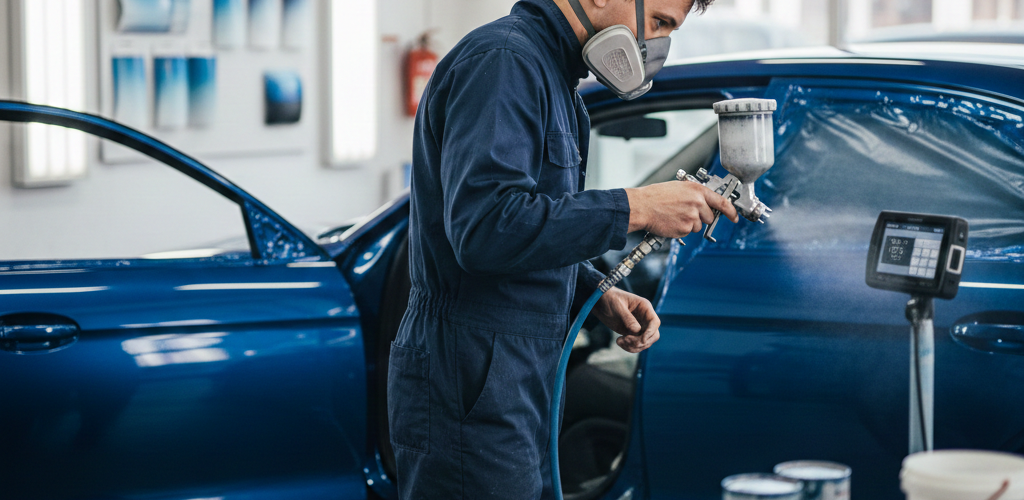
Understanding Automotive Base Coat Paint
Automotive paint systems typically consist of three main layers: primer, base coat, and clear coat. The base coat is responsible for delivering the vehicle’s color and visual effects such as metallic or pearl finishes. The clear coat protects the color layer and adds gloss and durability.
Using auto base coat paint can significantly enhance the final appearance and durability of your vehicle’s paint job. It’s crucial to choose high-quality materials and follow proper application techniques for the best results.
Unlike single stage paints that combine color and protection in one layer, base coat systems allow for greater depth, clarity, and color precision. This is why most modern vehicles use a base coat and clear coat system.
Locate Your Vehicle’s Paint Code
The first and most important step in matching your vehicle’s color is finding the manufacturer’s paint code. This code identifies the exact formula used when the vehicle was originally painted at the factory.
You can typically find the paint code:
- Inside the driver’s side door jamb
- Under the hood
- In the glove box
- In the trunk
- In the owner’s manual
Each vehicle manufacturer places this code in a slightly different location. Once you have the code, you can provide it to your paint supplier to get a precisely mixed base coat.
Keep in mind that vehicles from brands like Ford, Toyota, Chevrolet, and Honda often have multiple variations of the same color code due to production differences. This is why confirming the specific variant is important.
Consider Color Variations and Fading
Even with the correct paint code, your vehicle’s existing paint may have faded due to sun exposure, weather, and age. Over time, ultraviolet rays can alter the original shade, especially on red, blue, and darker colors.
To address this:
- Compare the new paint sample against the vehicle in natural light
- Spray a test panel before applying to the vehicle
- Blend the paint into adjacent panels rather than painting only one small section
Blending helps disguise minor differences and creates a smooth transition between old and new paint.
Understand Metallic and Pearl Finishes
Metallic and pearl finishes are more complex than solid colors. They contain tiny reflective particles that affect how light interacts with the surface. The orientation of these particles during spraying influences the final look.
When matching metallic or pearl base coats:
- Use the same spray gun settings as recommended by the manufacturer
- Maintain consistent spray distance
- Apply even, overlapping coats
- Avoid heavy passes that cause striping or mottling
Technique plays a major role in achieving uniform color and texture. Inconsistent application can make even perfectly matched paint appear different.
Test Before Full Application
Never apply automotive base coat directly to your vehicle without testing first. Spray a sample panel or scrap piece of metal that has been properly primed. Allow it to dry and apply clear coat before evaluating the final color.
Check the sample:
- In direct sunlight
- In shade
- Under indoor lighting
Colors can appear dramatically different under various lighting conditions. A test panel gives you the chance to make adjustments before committing to the final application.
Proper Surface Preparation
Color matching does not depend solely on the paint itself. Surface preparation significantly affects the final appearance.
Follow these preparation steps:
- Clean the area thoroughly to remove grease and contaminants
- Sand the surface to create proper adhesion
- Apply primer if necessary
- Allow each layer to dry according to product guidelines
An uneven or contaminated surface can distort how the base coat appears. Smooth preparation ensures consistent color reflection and gloss.
Use Quality Mixing and Application Tools
Investing in high quality materials improves your chances of achieving an accurate match. This includes:
- Professional grade spray guns
- Proper air compressors
- High quality reducers and activators
- Clean mixing containers
Low quality equipment can create uneven spray patterns, which may alter the color’s appearance. Precision tools help ensure even distribution of pigment and metallic particles.
Follow Manufacturer Mixing Ratios
Every base coat paint product has specific mixing ratios for reducer and other additives. Always follow the manufacturer’s instructions exactly.
Incorrect mixing can:
- Change the shade slightly
- Affect drying time
- Impact gloss and clarity
- Reduce durability
Accurate measurement ensures the paint performs as intended and matches the original color more closely.
Apply in Controlled Conditions
Environmental conditions influence paint color and finish quality. Ideal painting conditions include:
- Temperatures between 65 and 80 degrees Fahrenheit
- Low humidity
- Minimal dust or debris
- Good ventilation
High humidity can dull the finish, while excessive heat may cause the paint to flash too quickly. A controlled environment supports consistent color results.
Blend for Seamless Repairs
If you are repairing a small area, blending is often more effective than painting a single isolated panel. Blend the new color gradually into adjacent panels and apply clear coat across a larger section to unify the finish.
Blending techniques reduce the risk of visible color transitions and make the repair virtually undetectable.
When to Seek Professional Help
If your vehicle has a rare color, complex pearl finish, or significant fading, professional assistance may be worthwhile. Auto body shops use advanced color matching technology, including digital spectrophotometers, to identify precise shade variations.
Professional painters also have controlled spray booths that eliminate dust contamination and optimize drying conditions.
For business owners and automotive professionals connected through https://www.americus-sumterchamber.com/, investing in professional services can protect vehicle value and maintain a polished brand image.
Maintaining the Matched Finish
After successfully matching and applying your automotive base coat, proper maintenance ensures long lasting results.
- Wait the recommended curing time before washing
- Avoid harsh chemicals
- Apply high quality wax after the paint has fully cured
- Park in shaded areas when possible
Routine care prevents premature fading and preserves the uniform look of your vehicle.
Common Mistakes to Avoid
Many DIY painters encounter color matching issues due to preventable errors. Avoid the following:
- Skipping the test spray
- Ignoring paint code variants
- Applying coats too heavily
- Painting in poor lighting
- Failing to blend adjacent panels
Patience and attention to detail are essential for success.
Final Thoughts
Matching your vehicle’s automotive base coat paint requires research, precision, and proper technique. By locating the correct paint code, accounting for fading, testing before application, and using quality materials, you can achieve a professional level finish.
Whether you are restoring a classic car, repairing collision damage, or refreshing your vehicle’s appearance, the right preparation and execution make all the difference. A carefully matched base coat ensures that your vehicle looks cohesive, polished, and well maintained for years to come.
Frequently Asked Questions
How do I find my car’s exact paint color?
You can find the paint code on a label inside the driver’s side door jamb, under the hood, in the trunk, or in the owner’s manual. Provide this code to a paint supplier for accurate mixing.
Can I match paint without a paint code?
It is possible but more challenging. Some suppliers use digital color matching tools to scan your vehicle’s surface and create a custom formula.
Why does my matched paint look slightly different?
Color differences may result from sun fading, metallic particle orientation, or lighting conditions. Blending the paint into adjacent panels can help minimize visible differences.
How many coats of base coat should I apply?
Most base coat systems require two to three thin, even coats. Always follow the manufacturer’s recommendations for best results.
Do I need to apply clear coat after base coat?
Yes. Base coat provides color, while clear coat protects the finish and adds gloss and durability.
